

Examining senior health in the UK involves examining a whole life. That encompasses the things people enjoy, even something as distinct as playing an online slot game like Lucky Pharaoh Slot. This is not a gambling ad. It’s a examination of how the ideas behind such games—engagement, mental exercise, entertainment—touch the same areas that good geriatric care targets. For many older people, maintaining mental acuity and maintaining social connections is just as vital as physical health. To really help someone, you need to see all parts of their life, from doctor’s visits to how they spend a quiet afternoon. This article tries to bridge those areas, presenting a full picture of how to support a vibrant and balanced life for older adults in the UK, where safety and informed choices always come first.
Understanding Modern Geriatric Care in the UK
Geriatric care across the UK currently is about much more than pills and prescriptions. It represents a complete, person-centred model that addresses an older adult’s physical, mental, social, and emotional health. The system, founded upon the NHS and supported by private and charity groups, aims to help people live independently for as long as possible. This takes a team: GPs, specialist nurses, occupational therapists, and social workers all working together on a single care plan. They manage ongoing conditions like arthritis, diabetes, and dementia, while also endeavouring to prevent crises like falls, poor nutrition, or loneliness. This integrated view is vital. A health problem is rarely alone. A fall can undermine confidence, which may trigger depression and then more physical trouble. So a care visit now is just as focused on having a chat and checking the home environment as it is about checking a blood pressure cuff.
Safe Leisure Activities for Mental Engagement
Choosing safe and stimulating things to do is a critical part of healthy ageing. The best activities are enjoyable, work the mind, and don’t bring physical or financial danger. A varied mix of pastimes works best. Traditional options still hold great worth. Joining a book club enhances comprehension and debate skills. Gardening fosters planning and sensory engagement. Light crafts like knitting help with fine motor skills and pattern recognition. Then there’s the digital world. Brain training apps, virtual tours of museums, or simple, non-monetary games can give the brain a solid exercise. The guiding principle is controlled engagement. Any activity should have clear boundaries, be limited in time, and never cause stress or money worries. It’s wise to explore any new pastime, especially digital ones, within a firm framework of safety and moderation.
Implementing this into practice often helps to have a plan. Seniors and their carers might build a weekly schedule that includes different types of activity. Consider aiming for a mix from these categories:
- Creative: Painting, writing, music, or cooking new recipes.
- Strategic: Chess, card games like bridge, or logic puzzle books.
- Physical: Gentle yoga, walking groups, or tai chi.
- Digital: Family video calls, educational podcasts, or exploring genealogy programs.
- Social: Attending a local coffee morning, participating in a religious group, or volunteering.
Examining Digital Entertainment: The Case of Lucky Pharaoh Slot
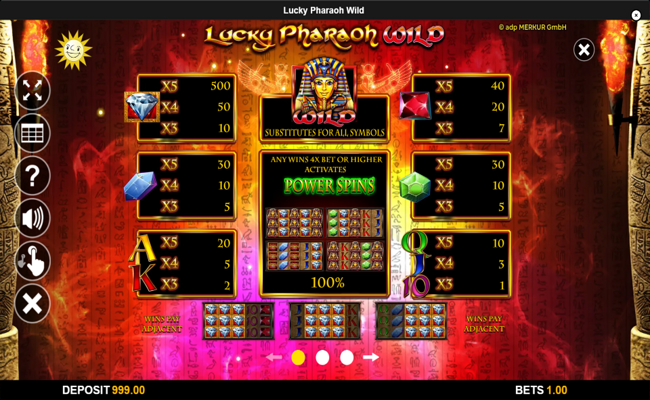
Examining a digital entertainment option like Lucky Pharaoh Slot from a care perspective demands a balanced and critical view luckypharaohcasino.com. Thematically, such games often employ history or mythology, which can be interesting. The bright colours, sounds, and pattern-matching in slot games do provide sensory and mental input. But the main point here is caution. Real-money gambling involves serious risks, including financial loss and addictive behaviour, especially for vulnerable people. It would be irresponsible to recommend it. The useful analysis is to see what makes these games engaging—clear goals, instant feedback, an immersive theme—and then look for those elements in safer places. For example, puzzle apps with an Egyptian archaeology theme or simple matching games can deliver similar cognitive rewards without any financial risk. This aligns perfectly with the core care principle: first, do no harm.
The significance of Mental Stimulation for Seniors
A sharp mind is central to a good life in later years. Consistent mental stimulation is a necessity, not a luxury. Like an unused muscle, the brain can weaken without exercise. Challenging it helps safeguard memory, processing speed, and problem-solving skills. It can slow cognitive decline. The activities that provide this workout are remarkably diverse. They span from classic crosswords and reading to learning a new skill like using a digital camera or speaking a few phrases of Italian. The essence is novelty and a bit of challenge. The brain forms new pathways when it meets something fresh. This is why even analysing games that involve strategy or spotting patterns, a feature of many leisure activities, is beneficial. The goal is to establish regular, enjoyable practices that engage the mind. That sense of accomplishment and purpose is fuel for overall mental health.
Social Connection and Its Impact on Senior Health
Isolation is a quiet crisis for many seniors, with deep consequences for mental and physical health. Without frequent communication, dangers for depression, worry, cardiac issues, and cognitive decline can grow. On the other hand, a solid support system delivers psychological comfort, reduces stress, and can encourage healthier habits. Throughout the UK, neighbourhood crunchbase.com centres, “Men’s Sheds,” and befriending services act as essential connections. But connection can also occur digitally now, through video calls, social media groups for seniors, or forums about shared interests. The approach isn’t as important as the act itself: regular, purposeful contact. For certain people, a icebreaker might be a mutual pastime like tending plants, or even the themes found in popular entertainment, such as an online game about ancient Egypt. The subject is less crucial than the connection it sparks.
Building a Integrated Health Plan for UK Seniors
An efficient health plan for an senior person in the UK integrates every aspect of well-being into a unified, manageable routine. This isn’t a typical prescription. It’s a personal strategy made with the senior, their healthcare team, and often their family or carers. The most effective plans tend to depend on five pillars. The first is medical management: taking medication properly, going to check-ups, and addressing chronic conditions. Second is nutrition: eating a balanced diet to nourish body and mind. Third is physical activity: safe, regular movement to keep mobility and strength. Fourth is cognitive exercise: a plan of the stimulating activities we’ve talked about. The fifth pillar, just as crucial, is social and emotional well-being: planned social time and activities that bring simple joy. The value comes from how these pillars work together. That synergy fosters resilience and improves overall quality of life.
Creating this work demands some structure. Families and carers can help draft a weekly schedule. It might be something like this:
- Monday: A morning walk in the park (physical/social), then a crossword puzzle (cognitive).
- Tuesday: A GP or clinic appointment if needed (medical), followed by a phone call with a family member (social).
- Wednesday: Visit to a local community lunch club (social/nutrition), then an afternoon listening to music or an audiobook (cognitive/emotional).
- Thursday: Light gardening or caring for houseplants (physical/cognitive), then a virtual museum tour (cognitive).
- Friday: Weekly shopping or cooking a new simple recipe (physical/nutrition), then watching a favourite TV show or film (emotional/leisure).
Common Questions
What are the signs if a recreational activity is right for my elderly parent?
Look for a few clear signs. They should enjoy it without displaying discomfort. It shouldn’t result in physical strain. There should be no monetary risk at all. A good activity suits their cognitive and physical ability, offering a mild challenge that prevents frustration. Watch their mood during and after. The activity should keep them involved, not stressed or detached. If you’re in doubt, notably concerning physical activities, ask their GP or an occupational therapist. The ultimate measure is simple: does it add something positive to their life without any harmful consequences?

Are online games like Lucky Pharaoh Slot completely off-limits for seniors?
When it concerns monetary betting, the advice is firmly opposed. The hazards of financial loss and dependency are too substantial, particularly for at-risk people. But the underlying concepts—spotting sequences, a narrative theme—can be discovered in completely secure settings. If an older adult is interested in the Egyptian style, direct that curiosity toward documentaries, library books, or free digital puzzle games with comparable themes. That provides the stimulation without any of the danger.
What constitutes the most neglected element of care for the aged in the UK today?
Often, it’s the proactive tackling of social isolation and the need for mental stimulation. Physical health rightly gets a lot of focus. But the profound effect of loneliness and an idle mind on overall health is sometimes missed. Regular social contact and engaging “brain exercises” aren’t just luxuries. They are basic healthcare necessities. Addressing them can prevent more serious, costly conditions later on, and it helps preserve a person’s self-sufficiency and dignity.
How can I help a tech-averse senior get involved with digital activities for cognitive health?
Start slow and make it a joint activity. Use a tablet for a video call with grandchildren—the happy faces provide quick positive reinforcement. Try simple apps with large buttons together, focusing on things they already appreciate, like digital solitaire or jigsaw puzzles. Present the technology as a tool for communication and fun, not a complicated chore. Patience is key. Celebrate the small successes. Often, once that initial hurdle is past, a whole world of educational and connective content opens up, becoming a real resource for them.
Supporting senior health in the UK requires a comprehensive approach that addresses the whole person. Clinical care offers the essential backbone. But the diverse threads of mental stimulation, social connection, and safe, enjoyable leisure are what shape a fulfilling later life. This might come from traditional hobbies, community groups, or well-selected digital pastimes. The goal stays the same: to help older adults live with dignity, autonomy, and joy. By carefully blending these elements into a tailored, coherent plan, we can make a real difference to the well-being and resilience of seniors across the country.