
Understanding the hidden effects of gambling addiction on mental health
The Psychological Underpinnings of Gambling Addiction
Gambling addiction is often rooted in complex psychological factors. Individuals may turn to gambling as a means of escaping negative emotions or stressful situations. This behavior can trigger a cycle of dependency, where the temporary relief gained from gambling leads to deeper psychological issues, such as anxiety and depression. Research indicates that those with underlying mental health disorders, such as bipolar disorder or obsessive-compulsive disorder, are particularly vulnerable to developing a gambling addiction. Additionally, exploring casino mafia online offerings may provide insights into how innovation in gaming can shape future trends in gambling.

Furthermore, the thrill associated with gambling can activate the brain’s reward system, creating a biochemical response similar to that found in substance abuse. This dopamine rush reinforces the behavior, making it increasingly difficult for the individual to resist the urge to gamble, even when faced with significant negative consequences. The allure of potential winnings can overshadow the reality of losses, leading to a distorted perception of risk and reward.
Understanding these psychological dynamics is crucial for both individuals affected by gambling addiction and their support networks. By recognizing the triggers and underlying issues, effective strategies can be implemented to combat the addiction. Therapeutic approaches, such as cognitive-behavioral therapy, can help address these root causes, offering individuals the tools needed to regain control of their lives.
The Emotional Toll of Gambling Addiction
The emotional impact of gambling addiction can be profound and devastating. Those struggling with this addiction often experience intense feelings of guilt, shame, and despair. As gambling takes precedence over other responsibilities, relationships can become strained, leading to isolation and feelings of worthlessness. The emotional rollercoaster of winning and losing can exacerbate these feelings, creating a volatile mental state that further complicates recovery.
Moreover, the stress associated with gambling addiction can manifest in various ways, including irritability, mood swings, and heightened anxiety. This emotional turmoil can create an environment where self-destructive behaviors emerge, further entrenching the individual in their addiction. The compulsion to gamble, despite adverse outcomes, can lead to a vicious cycle of emotional distress that seems impossible to escape.
Breaking this emotional cycle requires a multifaceted approach. Emotional support from loved ones, combined with professional help, can provide a pathway toward recovery. Support groups and counseling can offer individuals a safe space to share their experiences and feelings, fostering a sense of community and understanding that is often lacking in their day-to-day lives.
The Social Consequences of Gambling Addiction
Gambling addiction does not only affect the individual; it has far-reaching social consequences. Families can suffer irreparable damage as financial strain and emotional distance create a rift between loved ones. Trust is often broken, leading to isolation and resentment among family members. Relationships may fracture under the weight of lies, secrecy, and denial, pushing individuals further into their addiction.
Moreover, societal attitudes towards gambling can complicate recovery efforts. Stigmatization of gambling addiction can prevent individuals from seeking help, making them feel marginalized or ashamed. This societal pressure often exacerbates feelings of isolation, making it even harder for those affected to reach out for assistance. The lack of understanding about the nature of gambling addiction can perpetuate a cycle of silence and secrecy.
Promoting awareness and understanding of gambling addiction is crucial for breaking these social barriers. Community education initiatives can help dispel myths and offer resources for support. By fostering an environment of understanding and acceptance, individuals are more likely to seek the help they need to combat their addiction, ultimately leading to healthier relationships and social reintegration.
The Long-Term Mental Health Effects of Gambling Addiction
The long-term mental health effects of gambling addiction can be devastating. Chronic stress and anxiety can lead to persistent mental health issues, including depression and, in severe cases, suicidal ideation. The financial consequences of gambling can also lead to a decline in overall quality of life, further contributing to mental health deterioration. The constant cycle of hope and despair can leave individuals feeling trapped and helpless.
Additionally, individuals who have experienced gambling addiction may face ongoing challenges even after they stop gambling. The mental scars from financial losses and broken relationships can linger, requiring significant emotional work to heal. Post-traumatic stress disorder (PTSD) may emerge in those who have faced severe repercussions due to their gambling behaviors, making recovery a complex and ongoing process.
Addressing these long-term effects requires a comprehensive treatment approach that goes beyond simply stopping gambling. Therapy that focuses on rebuilding self-esteem, addressing trauma, and developing healthy coping mechanisms is essential for long-term recovery. Acknowledging the impact of gambling addiction on mental health is the first step toward a holistic healing process that recognizes the need for both emotional and psychological support.
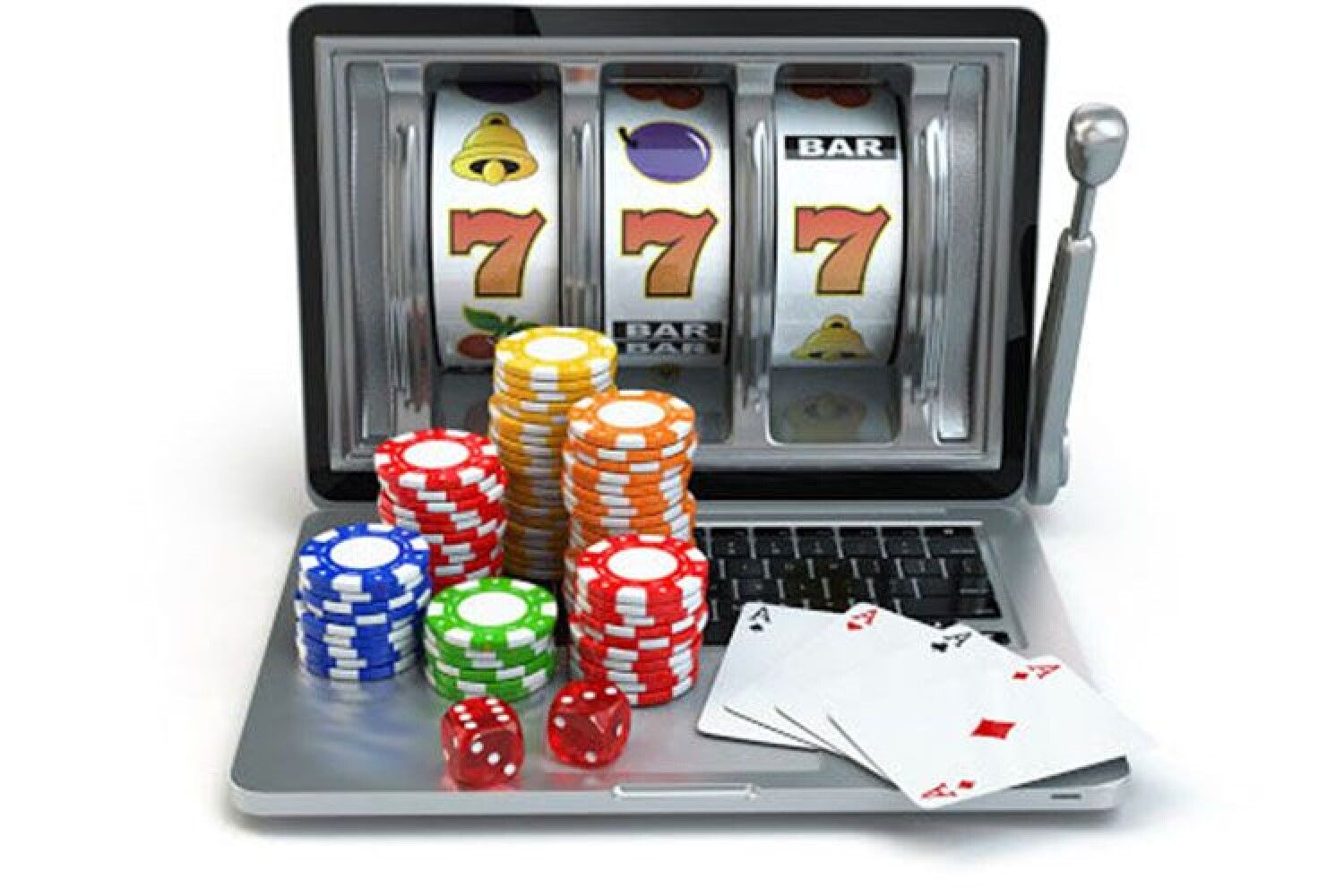
Mafia Casino: A Safer Gambling Environment
Mafia Casino aims to provide a safer and more responsible gambling experience for users, particularly in light of the hidden effects of gambling addiction on mental health. This innovative online gaming platform emphasizes the importance of responsible gaming practices, offering resources and tools to help players recognize their gambling behaviors. By fostering a supportive environment, Mafia Casino seeks to mitigate the risks associated with gambling addiction.
Moreover, the platform is designed with player safety in mind, employing advanced encryption methods and robust verification processes. This commitment to security not only protects players’ personal information but also promotes a culture of accountability. By prioritizing the mental well-being of its users, Mafia Casino enhances the overall gaming experience while raising awareness about the potential consequences of gambling addiction.
Ultimately, understanding the hidden effects of gambling addiction on mental health is crucial for both players and the gaming industry. By promoting responsible gambling, platforms like Mafia Casino can play a significant role in addressing the challenges associated with gambling addiction and supporting those in need of help and guidance.